History
Signals Along a Hard Coast
Along the northern rim, light became the coast's shared language between storm, stone, and ship.
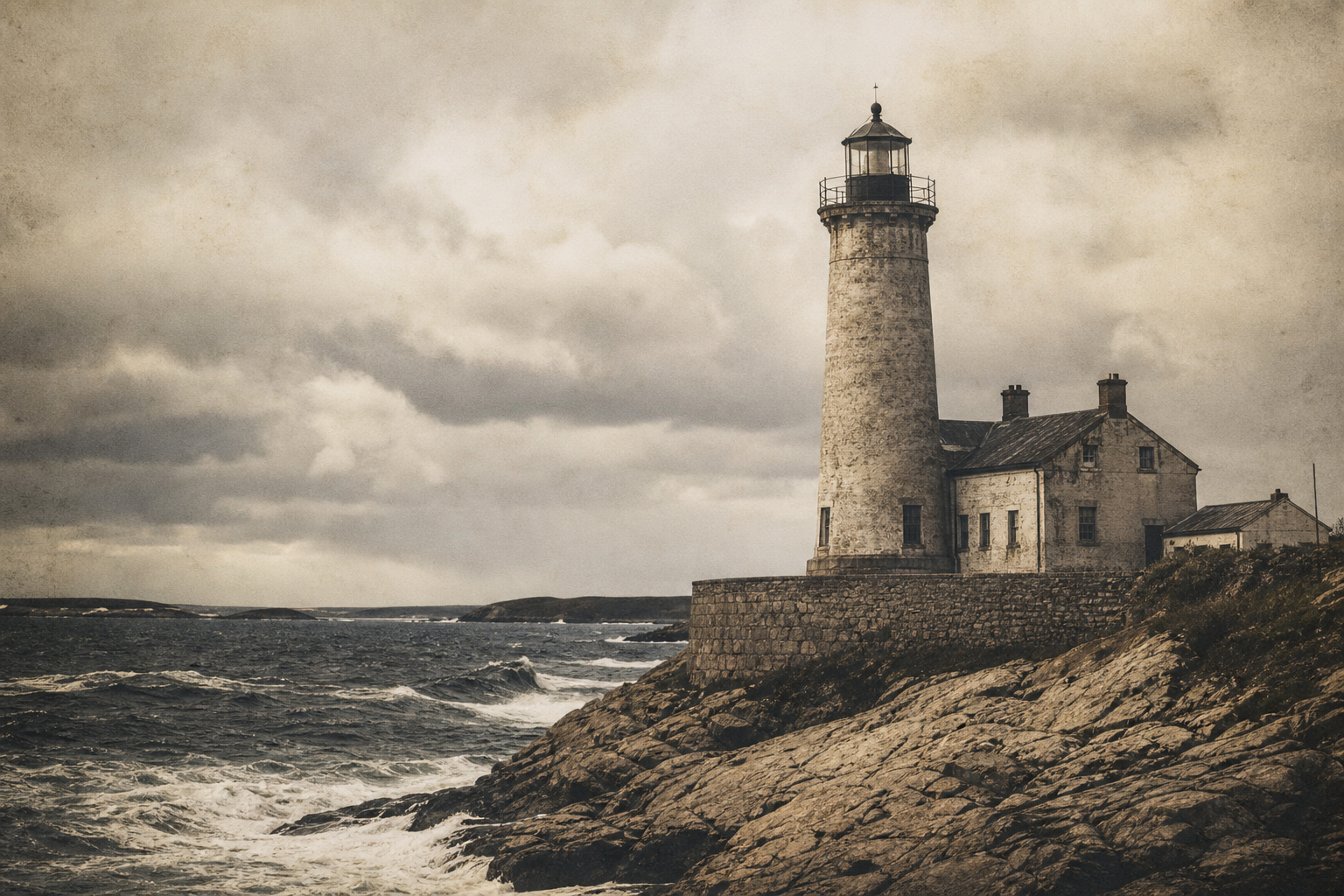
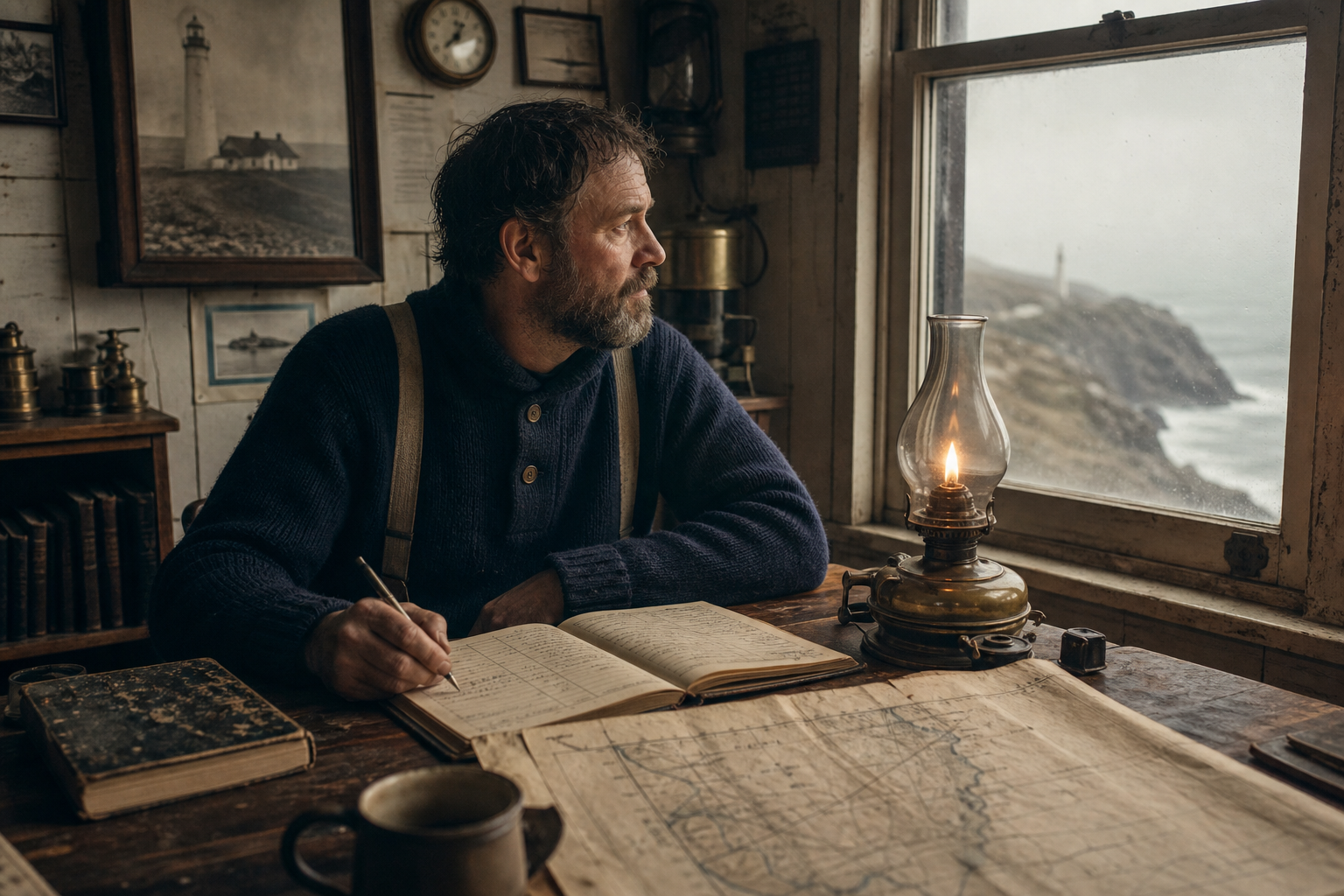
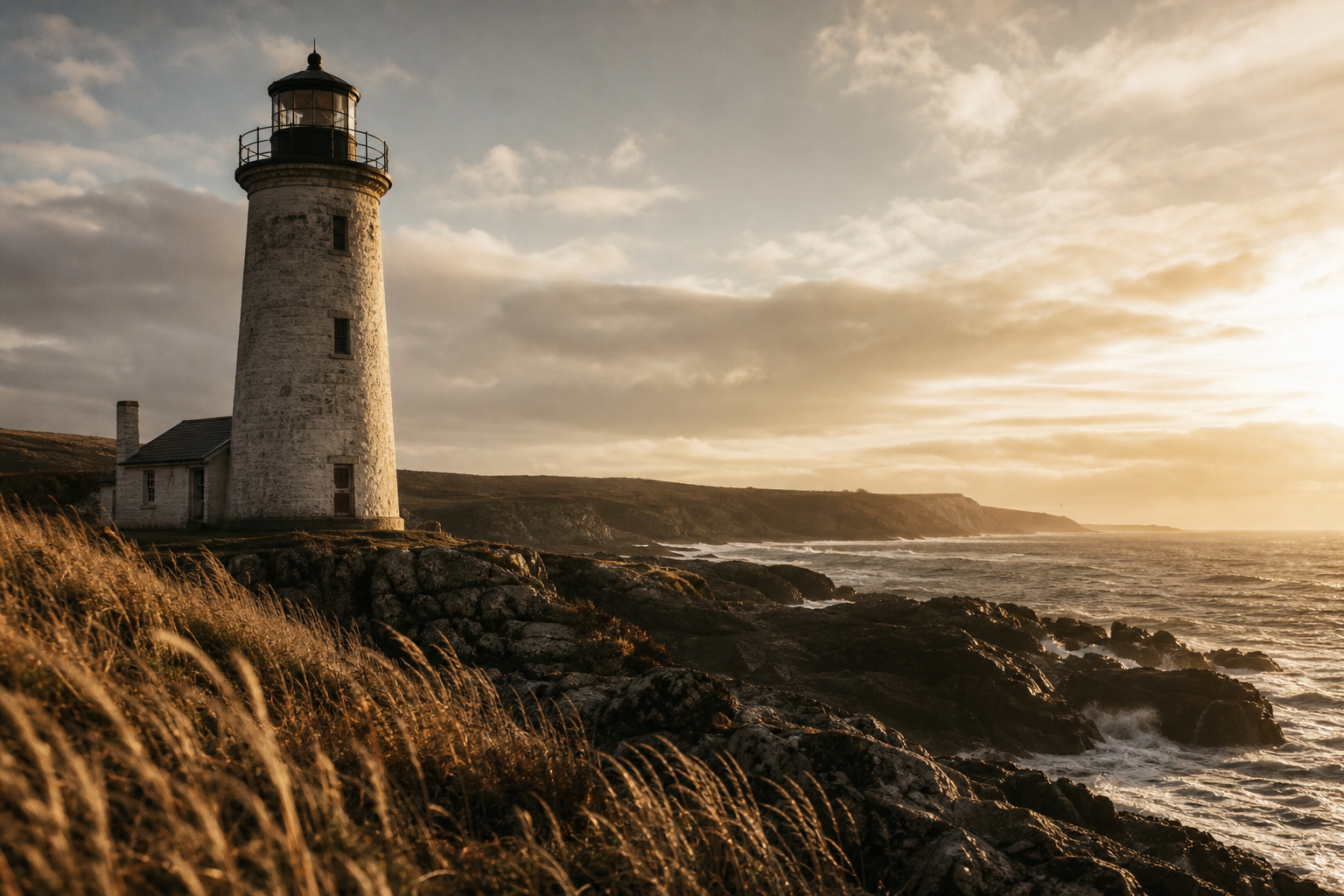
As trade routes widened in the nineteenth century, mariners pressed closer to a coast marked by submerged ledges, sudden fog, and winter surf. Beacon towers rose not as monuments, but as practical lifelines: fixed points by which captains could judge distance, avoid shoals, and enter harbor with far greater confidence.
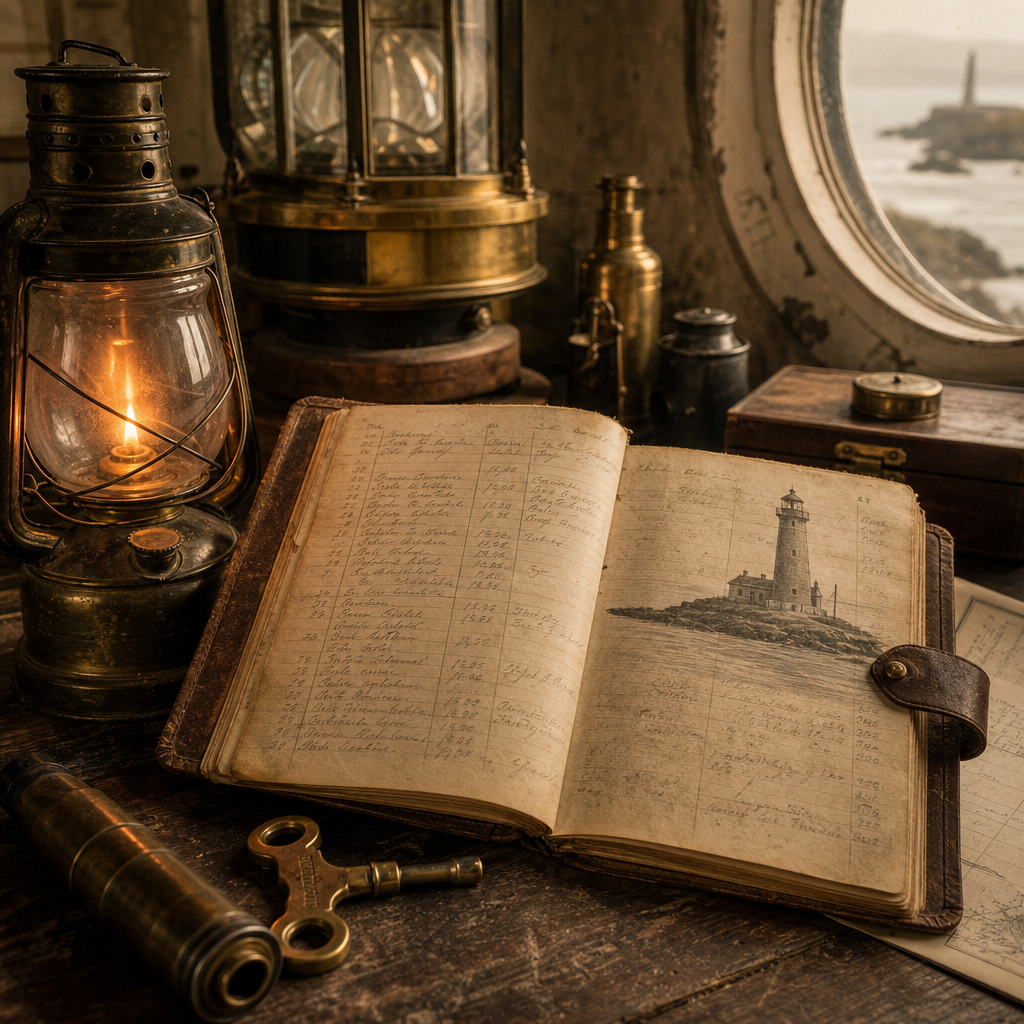
Construction evolved with hard lessons from weather. Timber frames yielded to heavier masonry and iron, lamp systems moved from open flame to Fresnel optics and later electrified beacons, and local keepers adapted routines to each innovation. Today, preservation work sustains the surviving towers as working records of coastal resilience and navigational craft.